Woman of the Week: Rupjyoti Saikia Gogoi
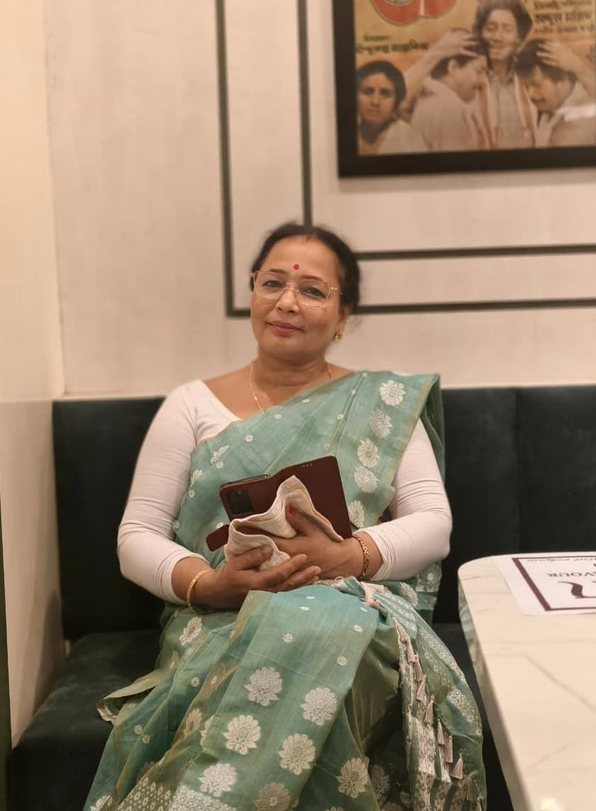
Some stories don’t begin with ambition. They begin with discomfort and with the inability to look away from a problem everyone else has learned to ignore.
Rupjyoti Saikia Gogoi was a schoolteacher living a quiet life near Kaziranga National Park in Assam, one of the most celebrated wildlife sanctuaries in the world. Each year, thousands of tourists arrived to witness its extraordinary landscape, and in particular, the iconic one-horned rhinoceros. They photographed. They marvelled. And then they left.
They also left behind plastic.
Bottles scattered along roadsides. Wrappers caught in grass. Carry bags drifting toward animal habitats. For Rupjyoti, the sight was impossible to ignore. While others looked past it, she found herself asking a different question, not who will fix this, but what can I do?
That question changed her life. And the lives of thousands of others.
Rupjyoti Saikia Gogoi started a Small Experiment That Grew Into a Movement
In 2004, with no funding, no formal training, and no structured plan, Rupjyoti Saikia Gogoi began collecting discarded plastic along with a small group of local women. It was a modest beginning driven entirely by intent.
The early attempts failed. Plastic strips alone were too stiff and impractical to weave into anything useful. But rather than abandon the idea, she went back to something she already knew, the traditional handloom techniques she had learned from her mother, a skill woven into the fabric of Assamese households for generations.
She began experimenting with a blend: plastic strips combined with cotton threads. The result was a durable, flexible material that could be shaped into functional, sellable products.
From that discovery, Village Weaves was born.
Two Decades of Impact
What started in one village has quietly grown into something remarkable.
Over the past twenty years, Rupjyoti has trained more than 2,300 women across 35 villages in Assam and beyond. These women now produce table runners, mats, handbags, coasters, decorative items, and weaving warp — all made from cleaned plastic waste combined with cotton threads.
In 2012, she opened Kaziranga Haat, a local outlet to bring these handmade products to buyers. What began as a community store has grown into a channel that reaches customers across India and internationally.
State governments and private organisations now invite her to conduct workshops in Arunachal Pradesh, Maharashtra, West Bengal, Delhi, and elsewhere. She has moved from teaching children in a classroom to teaching rural communities how to turn a problem into a livelihood.
The shift, in itself, is extraordinary.
The Struggles Behind the Success
But the road was rarely easy.
Developing the plastic-cotton weaving technique required months of trial and error — with no guide to follow and no guarantee it would work. Convincing others to take the idea seriously was its own challenge. The concept of turning waste into income sounded far-fetched to many, and trust had to be built slowly, village by village.
Infrastructure remained a persistent obstacle. The women work on traditional looms, many of them outdated. Limited access to better equipment affects both productivity and quality. Despite efforts to draw government attention, many artisan support schemes have not reached their villages.
Then came the pandemic. Tourist footfall around Kaziranga collapsed. Sales slowed. Income dried up. During that period, Rupjyoti leaned on her small café, Roop’s Kitchen, to keep her household afloat.
She did not let any of it stop the work.
The Strategy That Sustained Her
Rupjyoti’s resilience is rooted in practicality. When one approach failed, she adapted. When resources were scarce, she worked with what existed locally. When sales stalled, she found other ways to sustain herself until they recovered.
She also understood something that many overlook: no one builds something meaningful alone. Her husband, who works in wildlife conservation, stood firmly behind her vision. Family members helped with administration, marketing, and holding things together at home when she travelled for workshops.
And the community of women she brought together became not just her workforce, but her foundation.
What This Means for the Women Involved
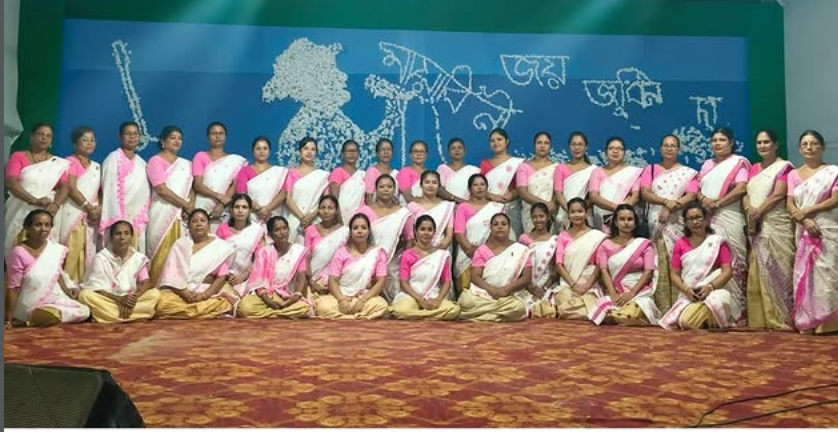
Village Weaves is not simply a business. It is a support structure.
Women who previously had limited income opportunities now earn from home, balancing household responsibilities with meaningful work. During peak tourist seasons, some earn the equivalent of $150–200 per month, a significant sum in rural settings.
But the impact runs deeper than income.
When a woman earns, it brings positive changes not only to her family but to the society. Also, Her confidence grows. She has a stronger voice in household decisions. She is more likely to invest in her children’s education. She is seen differently, and she begins to see herself differently.
Rupjyoti and her team also travel regularly to spread awareness about plastic pollution and sustainable practices, making clear that environmental responsibility and financial independence are not in conflict, they can reinforce each other.
What Her Journey Offers Other Women
For mothers returning to work after a break, Rupjyoti’s story holds a but powerful message: the skills you already have are enough to start. She did not learn something new, she used what she had known since childhood.
For women considering a career change, she is proof that transitions don’t require a grand plan. Hers began with a problem she cared about and a willingness to experiment.
For aspiring entrepreneurs, her path offers clarity: find a real issue, start small, build patiently, and bring others in. Growth rarely requires large capital. It requires consistency and the courage to keep going.
For women seeking financial independence, her model shows that earning can begin close to home, with skill, community, and commitment.
More Than a Business Story
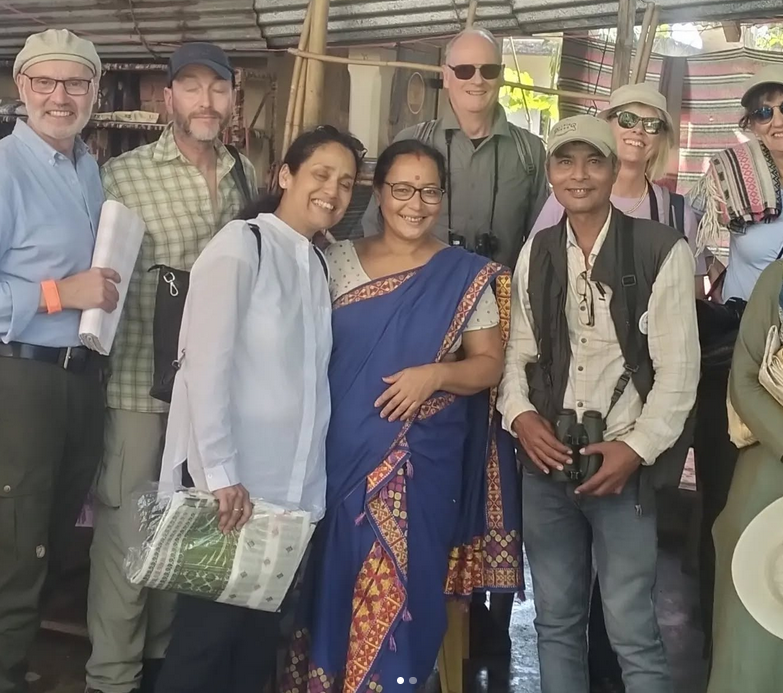
By cleaning up plastic around Kaziranga Rupjyoti Saikia Gogoi has changed how an entire community understands waste, work, and the potential of women.
What was once abandoned on roadsides now sits on tables around the world. What was once dismissed as “village weaving” is now a source of dignity and income. What began with one teacher asking what can I do? has grown into a network of empowered women across 35 villages.
She started with plastic waste.
And she wove it into something that lasts.
Need more doses of inspiration? Here’s the stories for you: